Leveraging Domestic Resource Mobilization as a cornerstone of Uganda’s sustainable development path
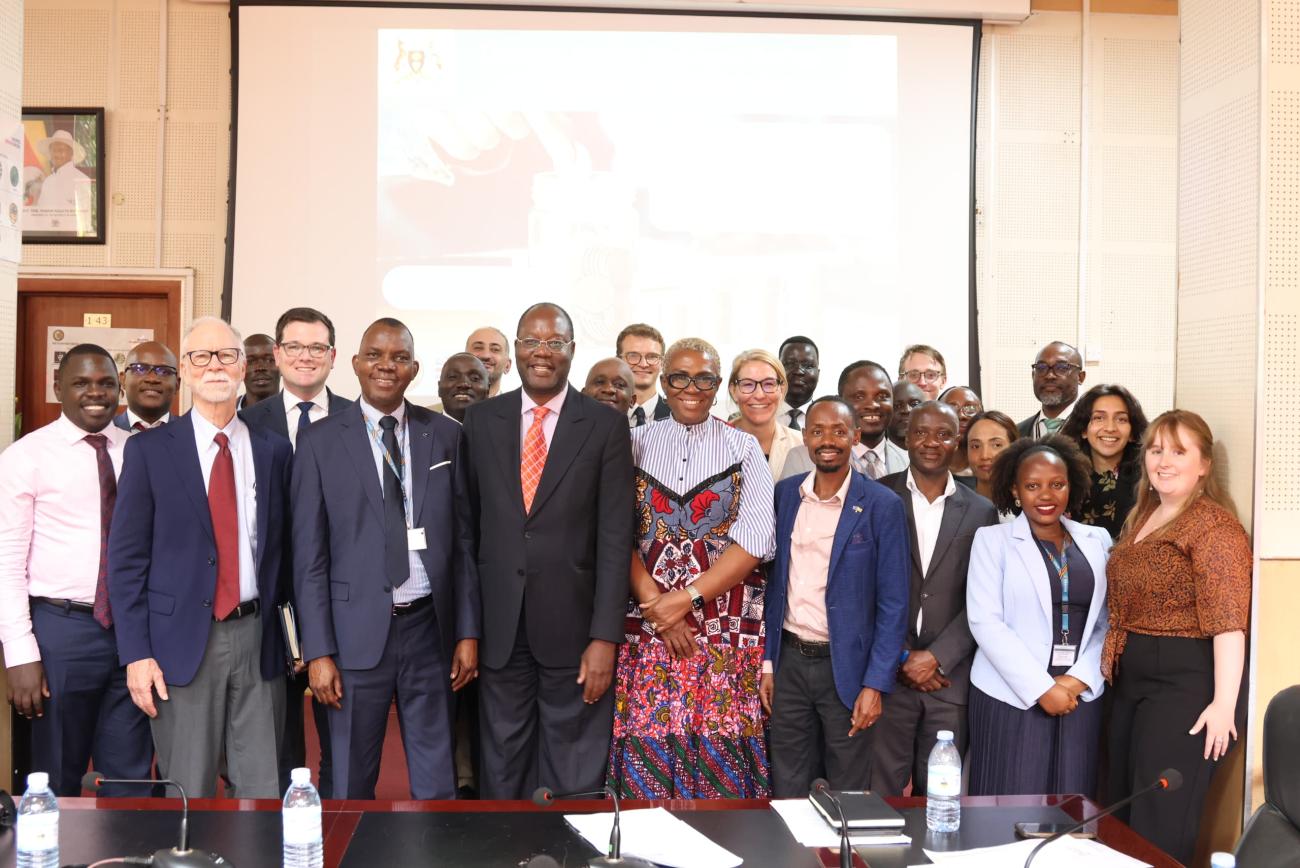
On 18 June 2025, the second of Uganda Policy Dialogue Series on Financing for Development (FfD4) was held focused on Domestic Resource Mobilization.
Ahead of the Fourth International Conference on Financing for Development (FfD4), Uganda’s Ministry of Finance and Economic Development, convened a dialogue on Domestic Resource Mobilization (DRM), underscoring that the DRM has become more critical than ever before for accelerating sustainable development.
The DRM dialogue, the second in a four-part national dialogue series on FfD and organized under a theme DRM for National Sovereignty and Sustainable Development, examined in detail how DRM can be expanded through improved tax systems, innovative financing instruments, and more effective public expenditure – especially within the framework of the National Development Plan IV and Agriculture, Tourism Minerals and Science, Technology and Innovation (ATMS) priorities.
Acknowledging that the DRM is not limited to increasing tax revenue, participants underlined the need for Uganda to improv the efficiency of public expenditure. “DRM is not just about raising more revenue, but also about ensuring that the revenue raised is used effectively and efficiently to achieve development goals,” emphasized the participants.
Unlocking domestic capital through various sources, including pension funds that have been growing rapidly in recent years – Uganda’s retirement benefits sector is now worth Uganda Shilling 25.4 Trillion, an 18.6% increment from Uganda Shilling 21.4 trillion in 2023, capital markets, and innovative instruments such as insurance funds, patient and venture capital, green and infrastructure bonds, as well as remittances and diaspora investments was highlighted.
Opening the dialogue, Permanent Secretary in the Office of the Prime Minister (PS-OPM), Alex Kakooza emphasized that the DRM reform is central to restoring public trust and ensuring the government’s capacity to deliver on its social contract.

Highlighting the dialogue’s timeliness and noting that FfD4 is not a final destination but a milestone in a longer journey, UN Resident Coordinator Leonard Zulu, pointed to growing debt pressures and declining external support, underscoring the urgent need to mobilize domestic resources beyond traditional taxation. He suggested significant domestic financial potential, through: Pension funds (UGX 25.4 Trillion in December 2024); Remittances and d (US $1.49 Billion year); Sovereign wealth funds and underutilized loans.
Development partners, including the British High Commissioner Lisa Chesney and IMF Resident Representative Sebastien Walker, affirmed DRM as a matter of national sovereignty.
Meanwhile, UNDP and WHO highlighted behavioral and system-level challenges, particularly in tax compliance, health financing, and incentivizing the shift from informal to formal economic participation. While emphasizing the DRM as a pathway to fiscal sovereignty and sustainable development, participants reiterated that the effective mobilization of domestic resources would require an efficient, fair, transparent and accountable governance system.
The high-level dialogue brought together stakeholders from government, the private sector, civil society, UN agencies, and development partners, who unanimously acknowledged challenges, including, low trust in public expenditure and reluctance to comply with taxation; stagnant tax revenues (13% of GDP); rising public debt (50% of GDP); illicit financial flows ($1.8 trillion globally); a 54% informal sector that is largely untaxed; and complex tax processes that deter compliance, especially for SMEs.

Way Forward
Participants agreed that DRM must go beyond revenue collection, making expenditure more efficient for public goods and services, as well as mobilizing resources from other sources. It must empower the state to fulfill citizen priorities through effective, transparent, and inclusive systems.
Key outcomes include:
- Reforming tax expenditures and broadening the taxpayers’ base
- Simplify systems through digital tools and provide SMEs with support
- Mobilizing domestic capital from pension funds, capital markets, and diaspora
- Aligning loan utilization with national priorities
- Strengthening tax policy and administrative capacity
- Improving transparency, accountability, and coordination of and public trust in public institutions
The PS/OPM called for more inclusive, institutionally coordinated processes—emphasizing the need to collect “better, not just more.” UN RC Leonard Zulu reaffirmed the UN’s long-term commitment, announcing a new policy fellowship to support Ugandan officials in DRM capacity-building.
The dialogue ended with a call to continue cross-sector collaboration, deepen policy coherence, and maintain momentum as Uganda prepares for FfD4. The consensus was clear: DRM is not just a fiscal tool, but a cornerstone of Uganda’s sovereign development path.


Written by

UN entities involved in this initiative
Goals we are supporting through this initiative